How Interface Layouts Guide Player Selections in Digital Bingo Sessions
Alex Simon · Oct 4, 2026
How Interface Layouts Guide Player Selections in Digital Bingo Sessions
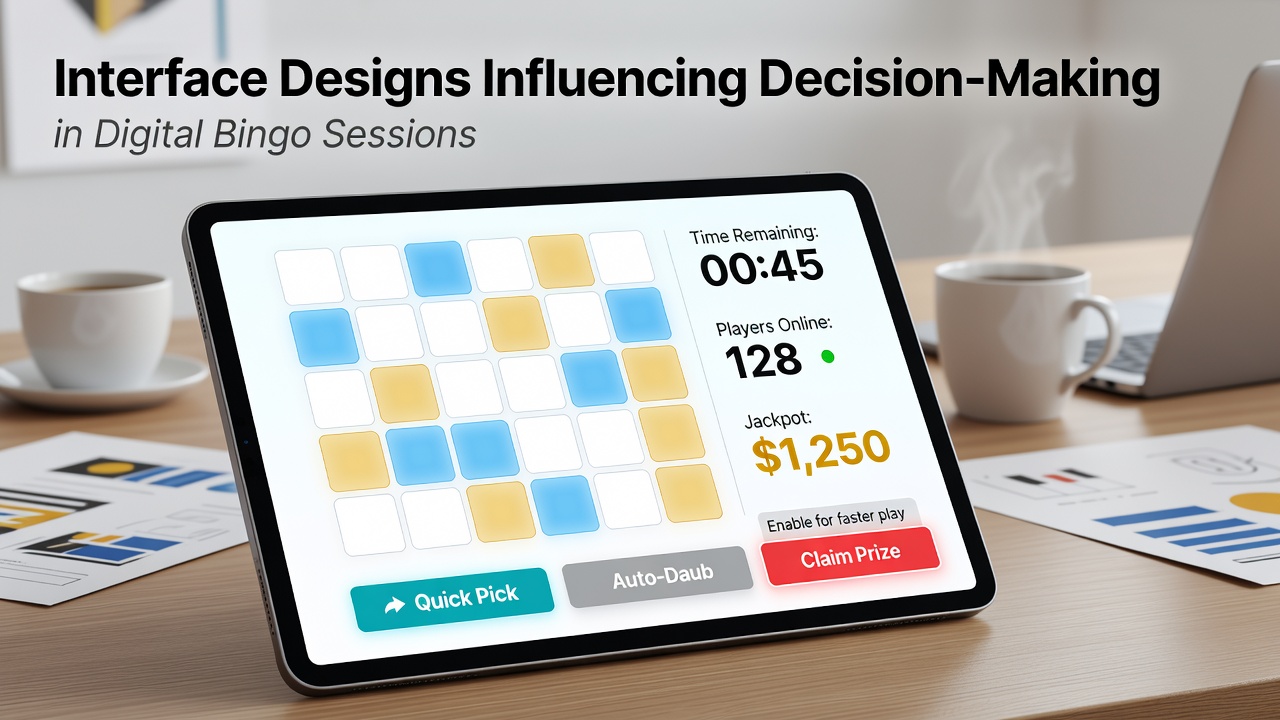
Digital bingo platforms present players with structured visual arrangements that shape how selections occur throughout each round, and these arrangements rely on grid positioning, color contrasts, and interactive prompts that direct attention toward specific actions. Research from the University of Nevada Gaming Lab indicates that centralized number displays combined with highlighted daub buttons lead to faster response times compared with scattered layouts, while data from the Australian Communications and Media Authority shows regional variations in engagement patterns tied to mobile versus desktop presentations.
Color schemes play a measurable role in how quickly participants mark numbers once called. Platforms that apply high-contrast markers in red or orange against neutral backgrounds record shorter intervals between number announcements and player responses, according to eye-tracking studies conducted across multiple European operators in 2025. Those same studies note that softer pastel palettes correlate with longer consideration periods before daubing occurs, particularly among newer users who scan the entire card before committing.
Button Placement and Action Prompts
Placement of primary action buttons influences the sequence of decisions players make during live sessions. When the daub control sits directly beneath the number grid, participants tend to complete marking tasks before shifting focus to chat or side panels, whereas buttons positioned at the screen edges produce more frequent interruptions as users glance away to locate controls. Industry reports compiled by the Canadian Gaming Association document these differences across thousands of tracked sessions, revealing that centralized button clusters reduce accidental clicks on secondary features by measurable margins.
Auto-play toggles introduce another layer of interface influence. When the option appears as a persistent switch near the top of the card area, activation rates rise compared with toggles buried in settings menus, and once enabled these features shift decision-making away from individual number marking toward choices about stake adjustments or game selection. Observers tracking October 2026 platform updates have noted increased adoption of streamlined auto-play interfaces on several major operators, coinciding with changes in average session duration across mobile devices.
Notifications, Timers, and Visual Feedback
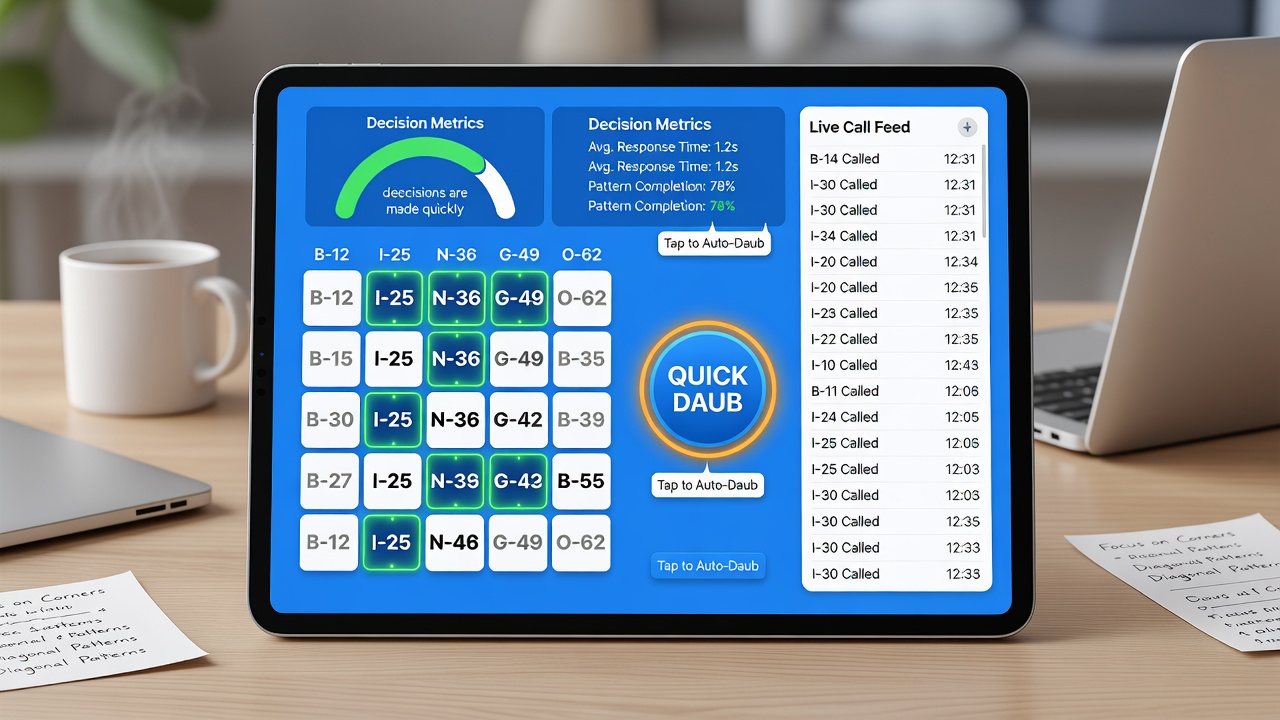
Countdown timers displayed prominently above the number grid create measurable pressure on pacing choices. Sessions that feature large, animated timers show higher rates of consecutive game entries, while subtler text-based timers allow longer pauses between rounds. A 2025 report issued by the Interactive Gaming Council examined timer visibility across twenty platforms and found direct correlations between timer size and the frequency of back-to-back participation.
Pop-up notifications about jackpot growth or bonus eligibility also steer attention. When these alerts appear in the central viewing area rather than peripheral banners, players allocate more time reviewing prize information before returning to active cards. Data collected through platform analytics tools indicate that central notifications generate higher click-through rates on linked promotional screens, altering the overall flow of decisions within a single sitting.
Mobile and Desktop Differences
Screen size constraints on mobile devices compress several interface elements into stacked layers, which changes how players navigate between card views, chat, and account controls. Desktop versions maintain wider grids and simultaneous side panels, allowing parallel monitoring of multiple information streams. Usage statistics released by the New Zealand Department of Internal Affairs demonstrate that mobile users complete fewer simultaneous card selections per round than desktop users, a pattern attributed to the vertical scrolling required on smaller displays.
Touch-target sizing further affects accuracy during rapid marking sequences. Larger touch areas reduce missed daubs, while smaller targets increase the number of corrective taps and extend overall session times. Platform developers have responded by adjusting spacing metrics, and comparative tests conducted in 2026 confirm that optimized touch zones produce smoother interaction flows across both Android and iOS environments.
Personalization and Accessibility Features
Customizable themes and font sizes allow users to modify visual density, which in turn influences how many numbers can be monitored comfortably within one view. Platforms offering real-time theme switching record higher retention among players who adjust settings mid-session, according to aggregated user behavior logs shared by several North American operators. Accessibility options such as high-contrast modes and screen-reader compatibility also expand participation pathways, with regulatory filings in multiple jurisdictions showing steady growth in these feature activations.
Chat integration positioned alongside the number grid encourages social decisions that can affect game selection. Players who engage in live discussion often follow peer recommendations toward specific rooms or jackpot pools, creating indirect influence pathways that originate from the interface layout itself. These patterns appear consistently in session replay analyses conducted by independent research firms.
Conclusion
Interface designs in digital bingo environments operate through measurable visual and interactive mechanisms that guide the timing, sequence, and focus of player decisions. Grid layouts, button positioning, notification placement, and device-specific adaptations each contribute distinct effects documented across regulatory reports, academic studies, and industry analytics. As platforms continue refining these elements, the connections between design choices and decision pathways remain central to understanding participation dynamics in online bingo sessions.